
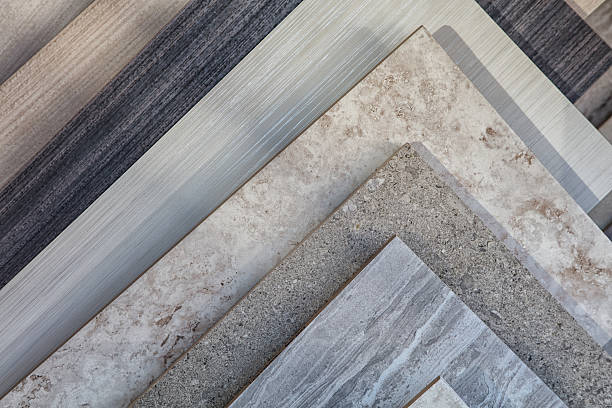
Marble and granite are both natural stones, but choosing between them is not a contest with one universal winner. The better fit depends on the look you want, where the item will be used, how you prefer to care for it, and the specifications of the particular piece.
Visual character
Marble is often recognized for flowing veins, soft tonal movement, and a quieter, more decorative feel. Granite can show granular patterns, stronger contrast, or a more grounded appearance. These are broad tendencies rather than rules: both stones vary widely by type, finish, and cut. Ask to see the actual piece or representative photographs when the pattern matters to your room.
Natural variation is part of the material. Two pieces sold under the same stone name may not have identical veining or color, and hand-finished edges may vary slightly. That variation should be disclosed rather than treated as a defect.
Care and daily use
Marble can be sensitive to acidic substances such as lemon juice and vinegar, which may etch some finishes. Granite is not automatically immune to every care issue, and the correct routine still depends on the stone, finish, sealer, and product construction. For either material, wipe spills promptly, use a soft cloth, and avoid abrasive or acidic cleaners unless the manufacturer specifically approves them.
Sealing is product-specific. It can change how readily some liquids enter porous stone, but it is not the same as waterproofing or a guarantee against staining. Do not assume that every item needs resealing every year. Follow the maker’s care instructions and the sealer manufacturer’s directions.
For small decor items, also consider weight, edge shape, stability, and the surface underneath. A heavy tray may need protective pads. A polished item may show handling marks more readily than a honed finish. A piece used near water deserves a routine that includes drying rather than long soaking.
Match the stone to the setting
Choose based on the situation rather than a ranking. Marble may suit a calm, vein-forward display where you are comfortable wiping spills and accepting gradual signs of use. Granite may suit a space where a more granular pattern fits the palette or where you prefer a different visual rhythm. Neither description replaces the actual specifications of the product.
For a rolling pin, coaster, lamp, tray, or soap dish, ask what the item is designed for, whether it has non-stone components, how it should be cleaned, and whether the finish is polished or honed. A comparison article should help you ask better questions, not make unsupported promises about lifespan, performance, or value.
Before buying, compare the exact dimensions, weight, finish, care instructions, and return policy. Prices can vary with stone type, size, workmanship, finish, and seller, so a blanket statement that one material is always cheaper or more durable is not reliable. Start with our marble tray cleaning guide , then use our natural stone buyer’s guide for a fuller checklist.
Is marble or granite better for home decor?
Neither is universally better. Choose by appearance, setting, finish, care instructions, and the characteristics of the specific item.
Does granite never need care?
No. Granite still needs suitable cleaning and handling, and sealing requirements vary by stone, finish, and product. Follow the manufacturer’s guidance.
Is marble always more expensive than granite?
Not always. Price depends on the stone variety, size, workmanship, finish, seller, and other product details. Compare like-for-like items instead of relying on a general ranking.
Share:
How to Remove Stains from Natural Stone
How to Store & Care for a Marble Rolling Pin